Wood privacy
The most privacy for the money, and still the most common backyard fence here. Pressure-treated pine with ground-contact posts set in concrete keeps the part that touches the ground from rotting first. Wood needs sealing or stain to keep its look, and a solid wood fence catches a lot of wind, so post depth matters.
Vinyl (PVC)
Costs more up front than wood, but it does not rot, gives termites nothing to eat and never needs paint. It holds its look for years with a rinse now and then. White and tan vinyl are approved styles in many deed-restricted communities.
Aluminum
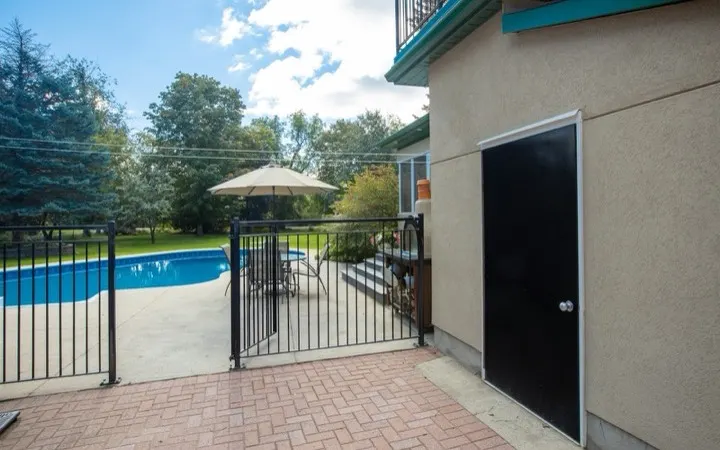
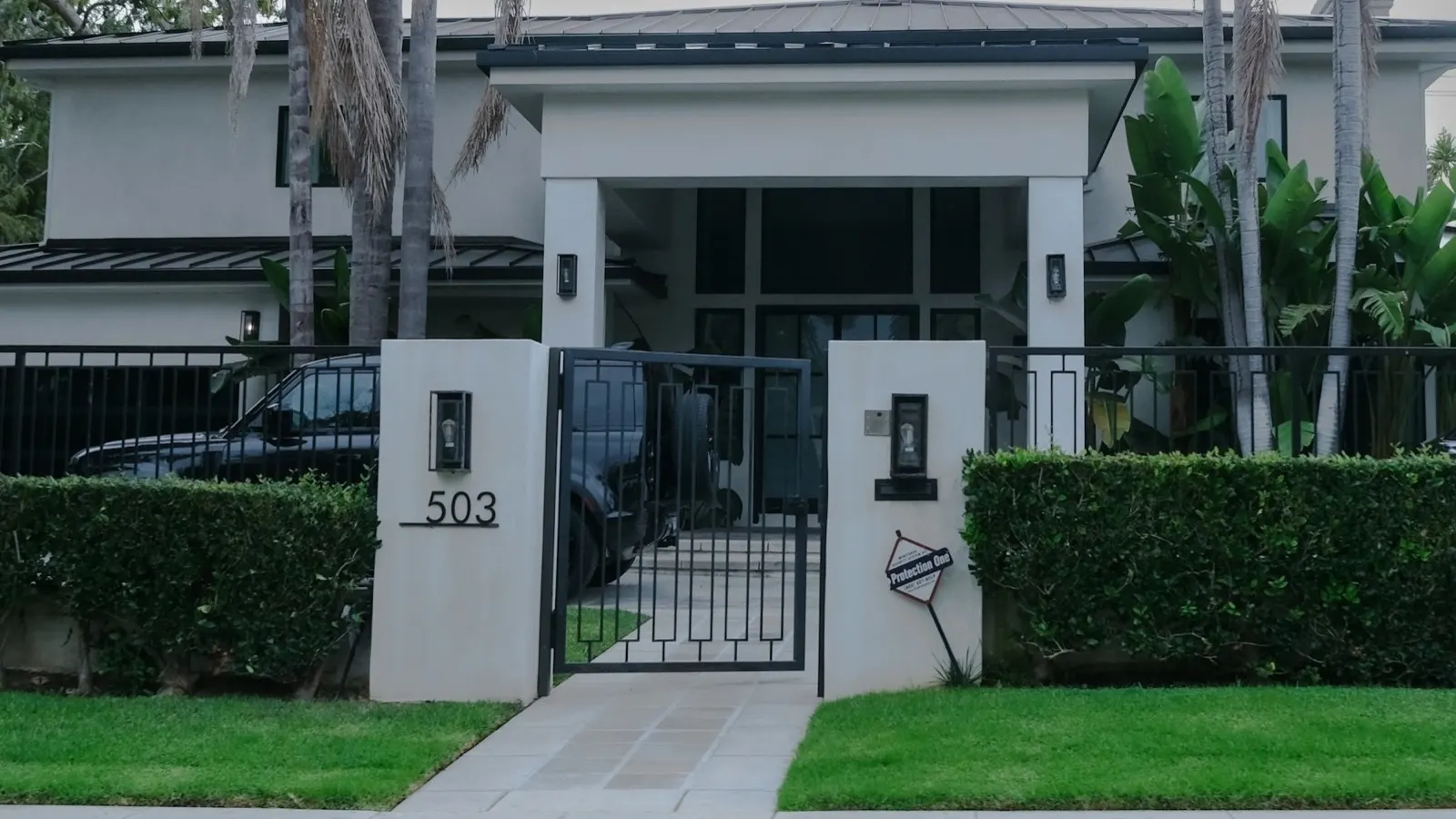
Does not rust and needs almost no upkeep. It is the go-to for pools, and the open pickets let wind pass through, which helps in storms. It gives a view, not privacy.
Chain link
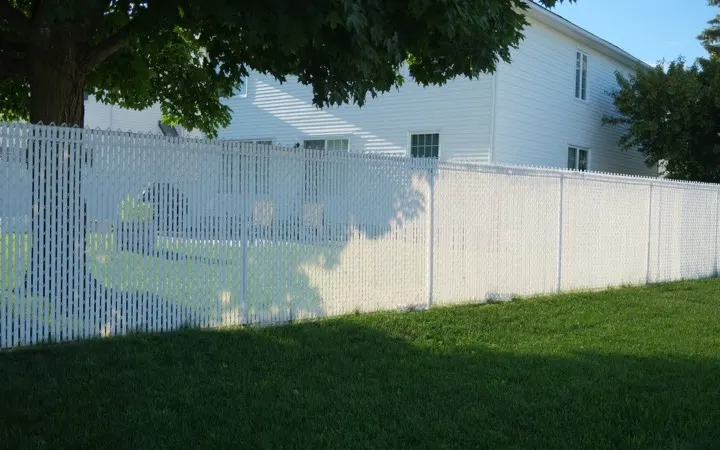
The lowest cost per foot and very tough. Galvanized or black vinyl-coated. Open mesh lets wind through. Privacy slats can be added later.
Quick picks
- Most privacy for the money: wood.
- Least upkeep with privacy: vinyl.
- Pools and front yards: aluminum.
- Big areas, dogs, commercial: chain link.
What matters more than the material
How the posts are set. Most Florida fence failures start at the posts: shallow holes in sandy soil, rotted wood posts or gates hung on posts that are too light. Deep holes, concrete and the right gate posts are what make any fence last. Read why Florida fences lean.
Quick answers
What fence lasts longest in Florida?
Vinyl and aluminum hold up best to Florida sun, rain and termites with almost no upkeep.
Is wood a bad choice in Florida?
No. It gives the most privacy for the money. Use ground-contact posts set in concrete and keep it sealed.